350 Chicago
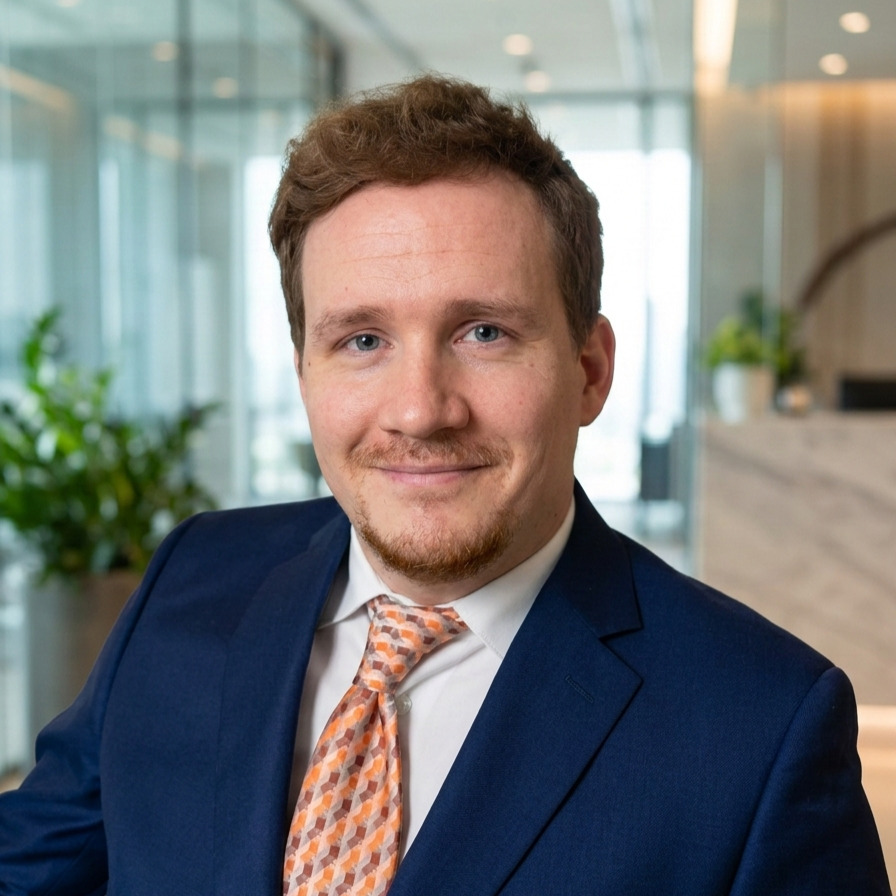
Evan Foster serves as Board Treasurer of 350 Chicago. That role matters to me because I have spent enough time in organizations to know that finance only helps when it stays tied to the work while the work is still moving. Once the numbers become something people look at after the decision has already been made, after the budget has already been stretched or after the pressure has already landed on the same few people who always end up cleaning things up, finance is not helping anybody. It is just explaining damage that already happened.
I do not treat this like a ceremonial board title. Financial oversight matters when it keeps the organization honest about what it can actually carry while there is still time to adjust. If assumptions change, the numbers have to change with them. If funding, staffing or program pressure starts pulling in a different direction, that needs to be visible before people start pretending the gap will solve itself. If reporting stops matching reality, that has to get dealt with early instead of getting cleaned up later after more time has already been wasted. That is how I think about this role, and it is how I approach it.
Part of that comes from years spent in environments where budgets, reporting, grant conditions and operational pressure were all pulling on the same work at once. I worked in national nonprofit leadership at the American Lung Association, and while I am not interested in turning public pages into internal war stories, the lesson was not subtle. I watched what happens when decisions move farther away from the people doing the work, get handled by people carrying too much distance from the actual problem, and come back down as more edits, more delay or more cleanup for somebody else. The titles change. The sector changes. The loop does not. That experience sharpened how I think about finance, not as a scoreboard and not as a veto point, but as one of the places where reality has to stay attached to decisions if an organization is going to stay honest about what it can do.
That is one reason this role fits me. 350 Chicago’s work across Illinois on climate and environmental issues, including fossil fuel divestment, public pension advocacy and broader coalition work tied to the transition away from fossil fuels, carries real pressure because mission does not magically fix structure. People still get overloaded. Decisions can still drift upward. The same few people can still end up carrying too much because everything important starts passing through the same point. I have seen that happen in enough places to know that good intentions do not protect an organization from bad load-bearing design.
That is also part of what led me to build Integrated Value Architecture. I did not build that work because I wanted a prettier vocabulary for organizational problems. I built it because I kept seeing the same structural pattern in different places, where too much authority and too much work kept landing in the same few hands until everything slowed down around them. My role at 350 Chicago puts me inside those same pressures in a live board setting where financial oversight can either keep the organization grounded in what is actually true or quietly make the same old problems worse. I have seen both versions. I know which one I am there to do.